5 Ways a Dentist Protects You From Teeth Grinding
Teeth grinding, clinically known as bruxism, is often silent, occurring during sleep or under stress without obvious symptoms until significant damage has already occurred. Left unchecked, it can lead to cracked teeth, worn enamel, jaw pain, and even the failure of previous dental restorations. Fortunately, routine visits to a dentist in Valparaiso, IN, provide your best line of defense. Early detection and preventive strategies offered by a skilled general dentist can preserve your natural teeth and existing dental work for years to come.
These are 5 ways a general dentist protects you from the hidden damage of teeth grinding:
1. A Dentist Can Detect Bruxism Before Symptoms Appear
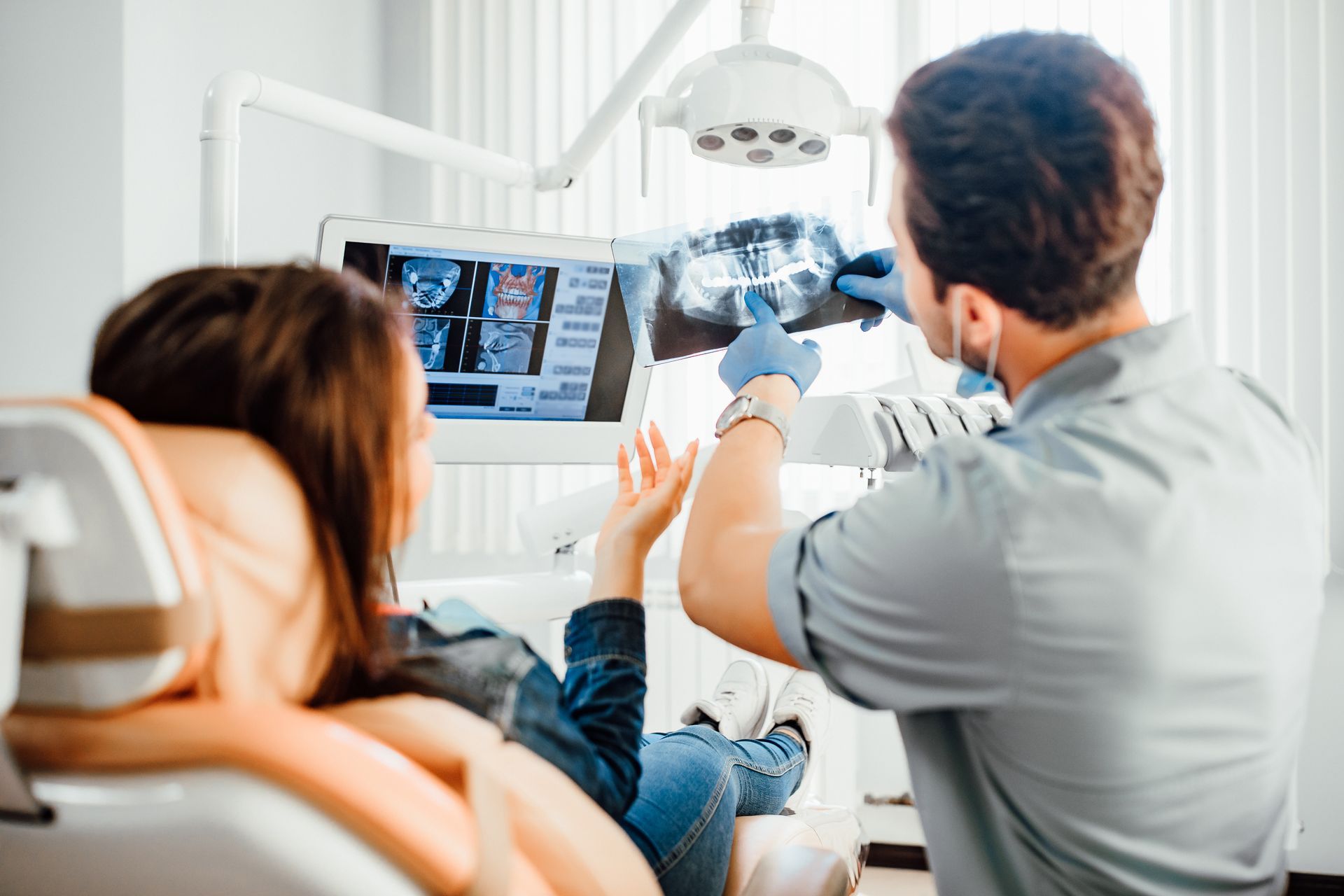
Many patients are unaware they grind their teeth until a dentist identifies physical evidence during a routine exam. A trained general dentist examines subtle indicators that often precede discomfort or pain. These include flattened chewing surfaces (known as wear facets), thinning enamel along the biting edges, microfractures in the tooth structure, and even gum recession caused by excessive force. Additionally, tenderness in the jaw muscles or temporomandibular joint (TMJ) may be noted during palpation.
Because bruxism frequently occurs at night, patients rarely witness the behavior themselves. However, a dentist uses clinical experience and diagnostic tools to recognize these early warning signs. Catching bruxism in its initial stages allows for timely intervention, long before irreversible damage occurs. This proactive approach aligns with the core philosophy of preventive dentistry: to address issues while they are manageable, not after they become emergencies. Regular check-ups with a dentist ensure that changes in your oral anatomy are monitored consistently, providing peace of mind and long-term protection.
2. Night Guards Preserve Your Dental Investments
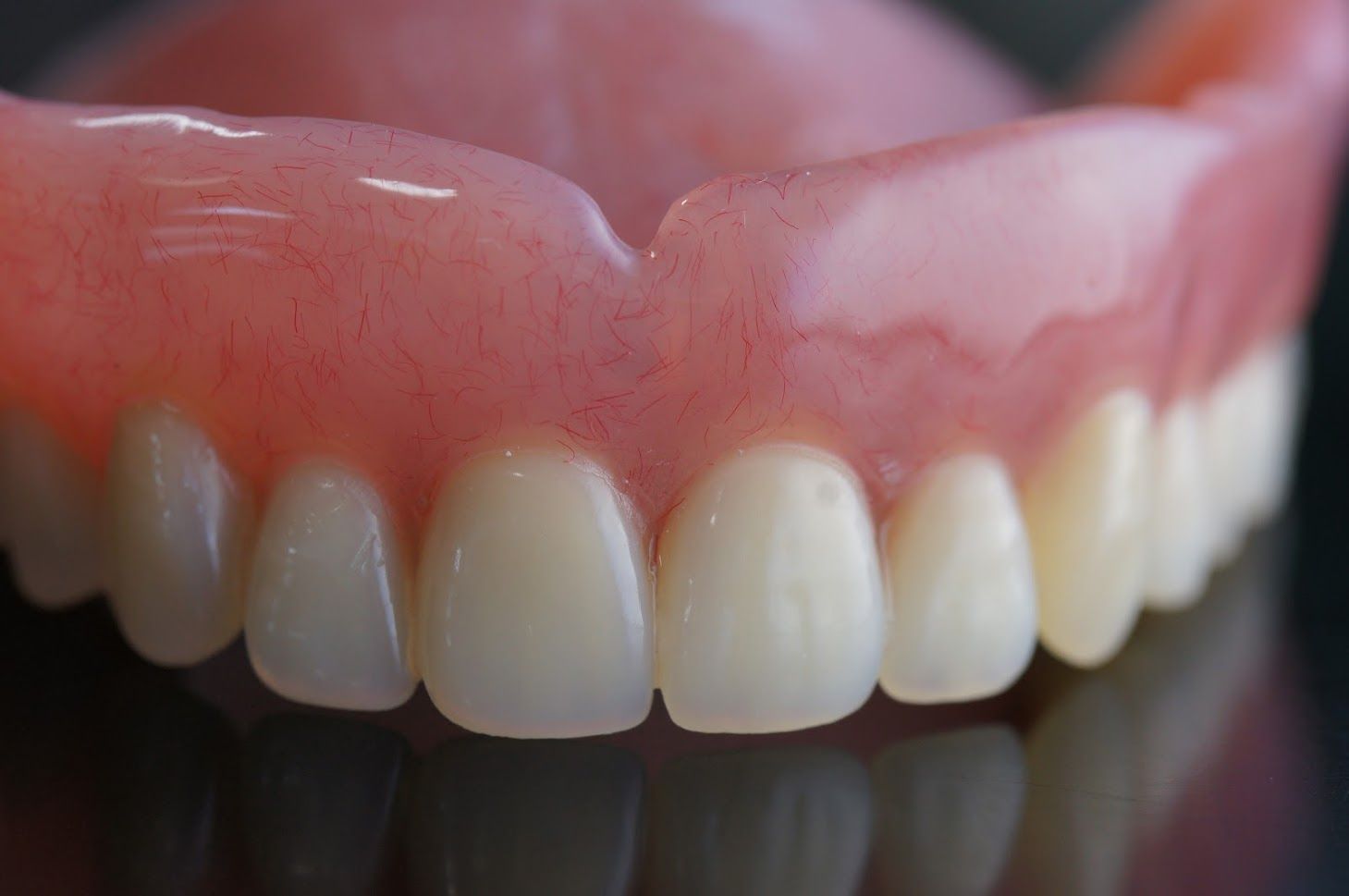
Once bruxism is diagnosed, the focus shifts to protection. Custom-fitted night guards are the gold standard for managing teeth grinding. Unlike over-the-counter options, which are generic and often uncomfortable, a professionally fabricated night guard from a dentist in Valparaiso, IN, is designed specifically for your bite and anatomy. This ensures optimal comfort, retention, and effectiveness.
More importantly, a custom night guard acts as a protective barrier that absorbs grinding forces, shielding both natural teeth and existing restorations. Crowns, fillings, bridges, and veneers are vulnerable to fracture under the intense pressure generated during bruxism, sometimes exceeding 250 pounds per square inch. By distributing these forces evenly, a night guard significantly reduces the risk of chipping, cracking, or dislodging dental work. This not only extends the lifespan of your restorations but also prevents the need for costly replacements or complex interventions down the line.
This “prevention over repair” strategy is central to comprehensive dental care. It emphasizes long-term oral health stability rather than reactive treatment, ultimately saving time, discomfort, and expense. For residents seeking a general dentist who prioritizes preservation over correction, this approach reflects a commitment to sustainable, patient-centered outcomes.
3. The Role of a General Dentist in Long-Term Oral Health Management
Managing bruxism isn’t a one-time fix; it requires ongoing monitoring and adjustment. A general dentist provides continuity of care, tracking changes in wear patterns, occlusion (bite alignment), and TMJ function over time. If a night guard shows signs of excessive wear or if symptoms persist, your dentist can modify the appliance or explore additional therapies, such as stress management referrals or occlusal adjustments.
Regular check-ups also allow your dentist to evaluate the integrity of all dental work, ensuring nothing has been compromised by grinding forces. This holistic oversight is especially valuable for patients with extensive restorative histories, where early detection of micro-damage can prevent cascading failures. As a general dentist in Valparaiso, IN, the focus remains on maintaining structural integrity and functional harmony across your entire dentition.
Consistent visits to a dentist also reinforce good habits and encourage open dialogue about changes in sleep quality, stress levels, or medication, all of which can influence bruxism. This collaborative relationship fosters trust and empowers patients to take ownership of their oral health journey.
4. Reduces Risk of TMJ Disorders and Chronic Pain
Bruxism places abnormal stress on the temporomandibular joints and masticatory muscles, potentially leading to temporomandibular joint disorder (TMD). Symptoms include chronic jaw pain, limited mouth opening, earaches, headaches, and even neck discomfort. These issues often worsen progressively without intervention.
A dentist in Valparaiso, IN, can assess joint function and muscle tension during routine exams, identifying early dysfunction before it becomes debilitating. A properly fitted night guard not only protects teeth but also helps relax jaw muscles and stabilize joint alignment, reducing inflammation and pain over time.
5. Supports a Personalized, Long-Term Oral Health Strategy
Effective management of bruxism requires more than a one-time diagnosis, as it demands an individualized, evolving approach that adapts to changes in your oral health, lifestyle, and symptoms over time. A general dentist plays a critical role in this process by establishing a baseline during your initial evaluation and then monitoring for subtle shifts during routine visits. This includes tracking the progression of enamel wear, assessing the fit and effectiveness of protective appliances like night guards, and evaluating jaw function for signs of strain or imbalance.
Because bruxism can be influenced by factors such as stress, sleep disorders, medication side effects, or even orthodontic changes, ongoing dialogue with your dentist ensures that treatment remains relevant and responsive. For example, a night guard that fit perfectly six months ago may need adjustment if tooth movement or occlusal changes have occurred. Similarly, if new symptoms like morning headaches or jaw clicking emerge, your dentist can modify your care plan accordingly, even possibly incorporating referrals to specialists in sleep medicine or physical therapy when appropriate.
Take Action to Protect Your Smile Today!
If you live in or near Valparaiso, IN, and are concerned about teeth grinding, or want to protect your smile proactively, schedule a consultation with Airport Road Dental Associates, PC! Call 219-763-2727 today to see how a dentist can help you preserve your oral health for life.